Benefits of Solo Travel for Confidence
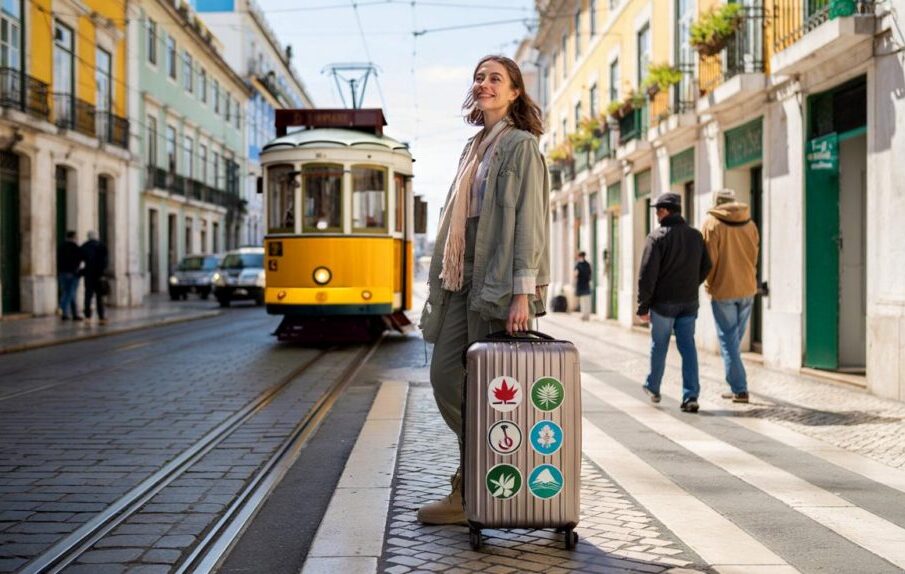
Solo travel is more than a leisure activity. It is a powerful personal experience that strengthens independence, improves decision making ability, and builds long lasting confidence. Traveling alone places individuals in unfamiliar environments where they must rely on their own judgment, adaptability, and awareness. These experiences gradually reshape how people view themselves and their capabilities.
Confidence developed through solo travel often extends far beyond the journey itself. It influences relationships, career choices, communication style, and everyday problem solving. For many individuals, traveling alone becomes a turning point that encourages self trust and personal growth.
This article explores how solo travel supports confidence development and why it continues to attract travelers seeking meaningful personal experiences.
Encourages Independent Decision Making
One of the strongest benefits of solo travel is the opportunity to make decisions independently. Without relying on companions, travelers must plan routes, select accommodations, manage schedules, and respond to unexpected situations on their own.
Independent decision making during travel helps individuals:
- Trust their judgment more easily
- Become comfortable making choices quickly
- Improve planning skills
- Learn to evaluate risks realistically
- Develop stronger personal responsibility
Each successful decision reinforces self confidence and strengthens problem solving ability.
Builds Comfort With Unfamiliar Situations
Confidence often grows when individuals learn to navigate uncertainty successfully. Solo travel naturally introduces new environments, languages, customs, and transportation systems that require adaptation.
Travelers become more comfortable with unfamiliar situations by:
- Navigating new cities independently
- Communicating across cultural differences
- Solving unexpected travel challenges
- Managing time without external guidance
- Adjusting to new routines quickly
These experiences help reduce hesitation in future unfamiliar situations.
Strengthens Self Awareness
Traveling alone creates space for reflection that is often difficult to achieve during group travel. Without constant conversation or shared decision making, individuals become more aware of their preferences, strengths, and limitations.
Solo travel encourages self awareness through:
- Personal reflection during quiet moments
- Independent goal setting
- Awareness of comfort zones
- Recognition of emotional responses
- Evaluation of personal priorities
Self awareness plays a critical role in building lasting confidence.
Improves Problem Solving Skills
Unexpected challenges are a natural part of travel. Missed connections, navigation errors, language barriers, and scheduling changes require quick thinking and flexibility.
Handling these situations independently helps travelers:
- Stay calm under pressure
- Evaluate options logically
- Adapt to changing circumstances
- Build resilience through experience
- Gain confidence in their ability to recover from setbacks
Each resolved challenge becomes proof of personal capability.
Encourages Personal Responsibility
Solo travelers are responsible for every aspect of their journey. This responsibility strengthens discipline and awareness while improving decision making confidence.
Personal responsibility during travel includes:
- Managing travel documents carefully
- Monitoring budgets effectively
- Planning transportation routes
- Maintaining personal safety awareness
- Adjusting schedules when needed
Taking ownership of these tasks helps individuals develop greater independence.
Enhances Communication Skills
Traveling alone often encourages interaction with new people. Without familiar companions, travelers are more likely to engage in conversations with locals, service providers, and other travelers.
Communication skills improve through:
- Asking for directions confidently
- Navigating unfamiliar languages
- Building connections with strangers
- Expressing needs clearly
- Practicing cultural sensitivity
Improved communication ability contributes directly to stronger self confidence.
Expands Comfort Zones Gradually
Confidence grows when individuals step beyond familiar routines. Solo travel encourages people to try activities they might otherwise avoid.
Examples include:
- Exploring unfamiliar neighborhoods
- Trying local cuisine independently
- Using public transportation in new cities
- Participating in guided tours alone
- Navigating unfamiliar airports confidently
Each new experience expands comfort zones and increases self trust.
Promotes Emotional Independence
Traveling alone allows individuals to manage their emotions without relying on others for reassurance. This experience builds emotional stability and resilience.
Emotional independence develops through:
- Handling travel stress calmly
- Managing unexpected changes
- Enjoying personal company
- Adapting to solitude comfortably
- Developing confidence in personal decisions
Emotional independence supports long term personal growth.
Encourages Stronger Adaptability
Adaptability is an important confidence building skill. Solo travelers often adjust plans based on weather conditions, transportation changes, or unexpected opportunities.
Adaptability improves through:
- Flexible itinerary planning
- Learning alternative navigation methods
- Responding to cultural differences respectfully
- Managing schedule disruptions effectively
- Making spontaneous travel decisions
Flexible thinking strengthens confidence in unpredictable situations.
Builds Trust in Personal Judgment
Confidence increases when individuals rely on their instincts successfully. Solo travel creates opportunities to evaluate situations independently and act accordingly.
Trust in personal judgment develops when travelers:
- Choose accommodations independently
- Evaluate safe travel routes
- Plan daily activities confidently
- Manage travel budgets effectively
- Make quick decisions when necessary
This trust becomes valuable in everyday life beyond travel experiences.
Encourages Personal Achievement Recognition
Completing a solo trip often creates a strong sense of accomplishment. Travelers recognize their ability to plan and complete journeys independently.
Personal achievement during solo travel may include:
- Navigating unfamiliar cities successfully
- Managing international travel logistics
- Communicating across cultural differences
- Solving unexpected travel challenges
- Completing planned travel goals independently
Recognizing achievements strengthens long term confidence.
Supports Better Time Management Skills
Solo travel requires individuals to manage their own schedules without relying on group coordination. This responsibility improves time awareness and organization.
Time management skills develop through:
- Planning daily activities efficiently
- Meeting transportation schedules independently
- Balancing exploration and rest periods
- Prioritizing travel goals effectively
- Adjusting plans when necessary
These skills translate into improved productivity in everyday routines.
Encourages Greater Cultural Awareness
Exposure to different cultures helps travelers develop broader perspectives and greater understanding of global diversity. Cultural awareness increases confidence in social interactions.
Travelers gain cultural awareness by:
- Observing local traditions respectfully
- Learning basic language phrases
- Understanding regional customs
- Trying traditional foods
- Participting in community experiences
Cultural awareness improves communication confidence in diverse environments.
Strengthens Personal Identity
Solo travel allows individuals to define experiences according to their own interests and values rather than group preferences. This independence supports stronger personal identity development.
Personal identity strengthens through:
- Choosing meaningful destinations
- Exploring individual interests
- Setting personal travel goals
- Reflecting on experiences independently
- Developing confidence in personal preferences
Clear personal identity contributes to long lasting confidence.
Encourages Long Term Self Confidence Growth
Confidence gained during solo travel does not disappear after the trip ends. It often influences future decisions in work, education, relationships, and lifestyle planning.
Long term benefits may include:
- Greater willingness to try new experiences
- Increased comfort with uncertainty
- Improved decision making confidence
- Stronger communication ability
- Enhanced independence in daily life
These benefits make solo travel a powerful personal development experience.
Frequently Asked Questions
Is solo travel safe for beginners with limited travel experience
Yes. Beginners can start with well planned destinations, structured accommodations, and shorter trips to gradually build experience and confidence.
How can solo travelers stay motivated during long trips alone
Setting daily goals, maintaining a travel journal, exploring local activities, and staying connected with friends and family can help maintain motivation.
Does solo travel help improve career related confidence
Yes. Independent travel experiences strengthen decision making, communication, and adaptability skills that are valuable in professional environments.
What are good destinations for first time solo travelers
Cities with reliable public transportation, strong tourism infrastructure, and clear navigation systems are often suitable starting points for solo travel experiences.
Can introverted individuals benefit from solo travel
Yes. Solo travel allows introverted individuals to explore at their own pace while gradually building social confidence through controlled interactions.
How does solo travel influence mental resilience
Handling unfamiliar situations independently improves emotional stability and strengthens the ability to manage uncertainty effectively.
Is planning necessary for building confidence during solo travel
Planning provides structure and safety awareness while still allowing flexibility for spontaneous experiences that support confidence development.