
Challenges Facing Education Systems in Developing Countries
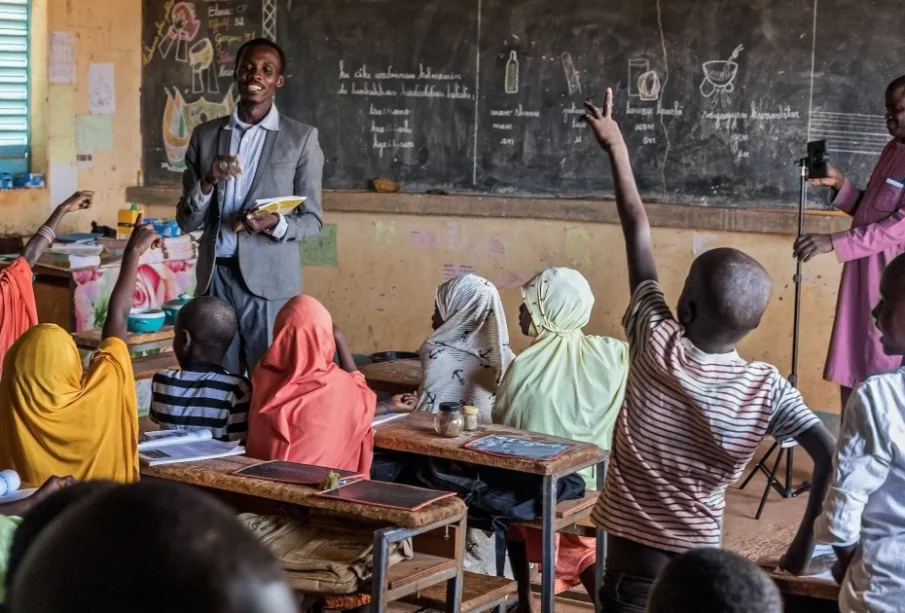
Education is widely recognized as one of the most powerful drivers of social progress, economic growth, and long term national stability. Yet across many developing countries, education systems continue to face serious structural barriers that limit access, quality, and outcomes for millions of learners.
These challenges are complex and interconnected. They involve infrastructure shortages, funding limitations, teacher training gaps, unequal access to technology, and socioeconomic inequalities that affect students differently depending on where they live and what resources their families have. Addressing these issues requires sustained policy commitment, community engagement, and strategic investment.
Understanding the major challenges facing education systems in developing countries helps policymakers, educators, and communities identify priorities for meaningful reform.
Limited Access to Educational Infrastructure
One of the most visible challenges in developing countries is the shortage of adequate school infrastructure. Many students still study in overcrowded classrooms or facilities lacking essential learning resources.
Common infrastructure limitations include:
- Insufficient classroom space
- Lack of electricity
- Limited sanitation facilities
- Poor transportation access
- Shortage of libraries and laboratories
In rural areas especially, children often travel long distances to reach the nearest school. This reduces attendance rates and increases dropout risk, particularly among younger students.
Improving infrastructure is a foundational step toward strengthening education systems.
Teacher Shortages and Training Gaps
Teachers are central to educational success, yet many developing countries face significant shortages of qualified educators. Even when teachers are available, they may not always receive adequate professional preparation.
Major teacher related challenges include:
- Large student teacher ratios
- Limited training opportunities
- Insufficient subject specialization
- Low professional support systems
- Restricted access to teaching materials
Without consistent teacher development programs, classroom instruction quality declines and student learning outcomes suffer.
Unequal Access Between Urban and Rural Regions
Educational inequality between urban and rural areas remains a persistent issue. Schools in urban environments typically have better facilities, more experienced teachers, and greater access to learning resources.
Rural schools often struggle with:
- Limited teacher availability
- Poor infrastructure conditions
- Fewer learning materials
- Reduced internet connectivity
- Lower student retention rates
These disparities create unequal opportunities for students depending on their geographic location.
Insufficient Public Funding for Education
Funding constraints continue to affect education systems across many developing nations. Governments must balance multiple priorities, including healthcare, infrastructure development, and economic programs.
As a result, education budgets may not always meet national needs.
Funding shortages can lead to:
- Outdated textbooks
- Limited classroom equipment
- Reduced teacher recruitment
- Inadequate maintenance of school facilities
- Restricted curriculum development initiatives
Sustainable investment is necessary to ensure long term educational improvement.
High Student Dropout Rates
Student dropout remains a serious concern in many regions. Economic pressures often force children to leave school early in order to support their families.
Factors contributing to dropout rates include:
- Household income instability
- Child labor responsibilities
- Transportation challenges
- Early marriage in some communities
- Lack of parental education awareness
Reducing dropout rates requires coordinated social and economic support systems.
Gender Inequality in Education Access
Although progress has been made in recent decades, gender disparities still affect access to education in some developing countries.
Girls may face barriers such as:
- Cultural expectations
- Household responsibilities
- Safety concerns during travel
- Limited sanitation facilities
- Early marriage expectations
Promoting gender equality in education benefits entire communities by improving economic participation and social development outcomes.
Limited Access to Educational Technology
Technology plays an increasingly important role in modern learning environments. However, many schools in developing countries still lack reliable access to digital tools.
Technology related challenges include:
- Limited internet connectivity
- Shortage of computers and devices
- Insufficient teacher training in digital instruction
- Unequal student access to online platforms
- High cost of digital infrastructure
Expanding digital learning access is essential for preparing students for modern workforce demands.
Language Barriers in Instruction
In many developing countries, students begin formal education in a language different from the one spoken at home. This creates additional learning challenges during early schooling years.
Language barriers may result in:
- Reduced comprehension levels
- Lower participation in classroom discussions
- Slower literacy development
- Higher dropout risk
Mother tongue based instruction during early education stages can improve learning outcomes significantly.
Overcrowded Classrooms
High student enrollment combined with teacher shortages often leads to overcrowded classrooms. This affects the quality of instruction and limits individual attention.
Overcrowded classrooms create challenges such as:
- Reduced student teacher interaction
- Difficulty managing classroom behavior
- Limited participation opportunities
- Slower curriculum completion
- Lower learning engagement
Improving teacher recruitment and infrastructure expansion can help address this issue.
Weak Curriculum Relevance to Workforce Needs
Education systems must prepare students for employment opportunities and changing economic conditions. In some developing countries, curricula do not always align with labor market requirements.
This mismatch can lead to:
- Graduate unemployment
- Skills shortages in technical fields
- Reduced productivity levels
- Limited entrepreneurship readiness
Updating curriculum frameworks to reflect emerging industries helps improve workforce readiness.
Political Instability and Conflict Related Disruptions
Political instability and armed conflict continue to disrupt education systems in several developing regions. Schools may close temporarily or permanently due to safety concerns.
Conflict related education challenges include:
- Damaged infrastructure
- Displacement of students and teachers
- Interrupted academic calendars
- Reduced funding allocation
- Psychological stress among learners
Maintaining education continuity during instability remains a critical priority.
Limited Access to Early Childhood Education
Early childhood education plays a vital role in cognitive development and long term academic success. However, access to early learning programs remains limited in many developing countries.
Challenges affecting early childhood education include:
- Shortage of trained caregivers
- Limited preschool facilities
- Low awareness among parents
- Insufficient government investment
- Lack of structured curriculum support
Expanding early education opportunities strengthens long term national learning outcomes.
Inadequate Monitoring and Evaluation Systems
Strong education systems depend on reliable data for planning and improvement. Many developing countries still face challenges in monitoring student performance and institutional effectiveness.
Weak evaluation systems may result in:
- Inaccurate policy decisions
- Limited accountability mechanisms
- Difficulty measuring progress
- Inefficient resource allocation
Improving data collection and evaluation practices supports better decision making.
Economic Inequality Affecting Learning Opportunities
Household income strongly influences educational access and achievement levels. Students from low income families often face multiple barriers to consistent participation.
Economic challenges affecting learners include:
- Inability to afford school supplies
- Limited access to tutoring support
- Poor nutrition affecting concentration
- Transportation difficulties
- Reduced study time due to household responsibilities
Addressing economic inequality is essential for improving educational inclusion.
Limited Community Engagement in Education Planning
Community involvement plays an important role in strengthening education systems. However, in some regions, parents and local stakeholders are not fully involved in school planning processes.
Stronger community participation can support:
- Improved attendance rates
- Better accountability systems
- Increased local investment
- Enhanced cultural relevance in curriculum
- Stronger school safety awareness
Encouraging collaboration between schools and communities improves overall system performance.
Frequently Asked Questions
Why is education infrastructure important for improving learning outcomes
Adequate infrastructure supports safe learning environments, improves attendance rates, and allows teachers to deliver lessons more effectively through access to proper facilities and materials.
How does teacher motivation affect student achievement
Motivated teachers are more likely to engage students actively, maintain classroom discipline effectively, and adapt teaching strategies to support different learning needs.
What role do international organizations play in supporting education systems
International organizations often provide technical support, funding assistance, teacher training programs, and policy guidance to strengthen national education strategies.
How can governments improve access to education in remote regions
Governments can expand transportation support, build additional schools, deploy trained teachers to underserved areas, and invest in distance learning infrastructure.
Why is early childhood education considered critical for long term success
Early learning supports language development, social skills, and cognitive growth that form the foundation for later academic achievement.
How does nutrition affect student learning performance
Proper nutrition improves concentration levels, memory retention, and physical well being, which directly influence classroom participation and academic success.
What is the role of public private partnerships in improving education systems
Public private partnerships help expand infrastructure development, introduce technology resources, and support teacher training initiatives through shared investment efforts.


