
Financial Discipline Habits That Strengthen Future Security
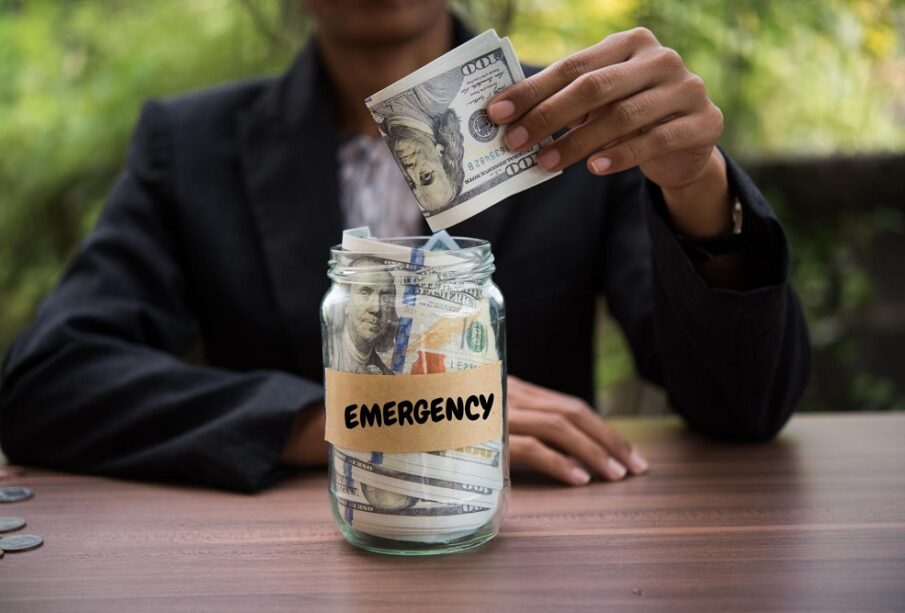
Financial security rarely happens by chance. It develops through consistent decisions, structured planning, and disciplined habits practiced over time. While income plays an important role in stability, long term financial strength depends more on behavior than earnings alone.
Financial discipline allows individuals and families to prepare for unexpected challenges, pursue meaningful goals, and reduce stress related to money management. By building practical habits and maintaining consistency, people can create a stable foundation that supports both present needs and future ambitions.
This article explores essential financial discipline habits that help strengthen long term security and support sustainable financial growth.
Understanding the Role of Financial Discipline
Financial discipline refers to the ability to manage income, spending, saving, and investing in a structured and intentional way. It involves making thoughtful choices rather than reacting impulsively to short term financial pressures.
People who develop financial discipline often experience:
- Greater control over expenses
- Improved savings consistency
- Reduced dependence on debt
- Increased confidence in decision making
- Stronger preparedness for emergencies
These outcomes create stability that supports long term planning.
Creating a Realistic Monthly Budget
Budgeting is one of the most important habits for maintaining financial discipline. A well structured budget helps individuals track spending patterns and identify opportunities for improvement.
An effective monthly budget should include:
- Fixed expenses such as housing and utilities
- Variable expenses such as groceries and transportation
- Savings contributions
- Debt repayment plans
- Personal spending allowances
Tracking expenses regularly allows individuals to stay aligned with financial priorities and avoid unnecessary overspending.
Building an Emergency Savings Fund
Unexpected financial situations can arise at any time. Emergency savings provide protection against events such as medical costs, job interruptions, or urgent repairs.
A strong emergency fund typically covers:
- Three to six months of living expenses
- Essential household costs
- Insurance deductibles
- Transportation emergencies
Maintaining emergency savings reduces reliance on credit and supports financial independence during uncertain periods.
Practicing Consistent Saving Habits
Saving regularly is more effective than saving occasionally. Consistency strengthens financial resilience and builds momentum toward long term goals.
Helpful saving strategies include:
- Setting automatic transfers into savings accounts
- Saving a fixed percentage of income
- Separating short term and long term savings goals
- Increasing savings contributions after income growth
Regular saving builds confidence and supports future investment opportunities.
Avoiding Unnecessary Debt
Debt can be useful when managed responsibly, but excessive borrowing can limit financial flexibility. Practicing disciplined borrowing habits protects long term financial stability.
Strategies for reducing unnecessary debt include:
- Evaluating purchases carefully before using credit
- Prioritizing repayment of high interest balances
- Limiting reliance on short term loans
- Avoiding impulse financed purchases
Responsible debt management strengthens long term security and improves credit health.
Setting Clear Financial Goals
Clear goals provide direction and motivation for financial discipline. Without defined objectives, it becomes difficult to measure progress or maintain consistency.
Common financial goals may include:
- Purchasing a home
- Supporting education expenses
- Preparing for retirement
- Starting a business
- Building investment portfolios
Breaking goals into manageable steps helps maintain steady progress over time.
Tracking Spending Patterns Regularly
Monitoring spending behavior helps identify habits that may affect long term security. Awareness allows individuals to make adjustments before problems develop.
Effective tracking methods include:
- Reviewing bank statements monthly
- Categorizing expenses
- Identifying recurring charges
- Evaluating discretionary spending trends
These practices improve decision making and strengthen budgeting accuracy.
Investing for Long Term Growth
Saving alone may not be sufficient to maintain future financial security. Investing allows individuals to grow their resources and protect purchasing power over time.
Long term investment strategies often include:
- Retirement accounts
- Diversified asset portfolios
- Education savings plans
- Income generating investments
Consistent investing supports wealth accumulation and strengthens financial independence.
Maintaining Insurance Protection
Insurance plays a critical role in protecting financial stability. Without adequate coverage, unexpected events can create long lasting financial setbacks.
Important insurance coverage areas include:
- Health insurance
- Life insurance
- Property protection
- Disability coverage
- Vehicle insurance
Maintaining appropriate coverage helps prevent sudden financial disruption.
Developing Smart Spending Habits
Financial discipline involves thoughtful spending decisions that align with long term priorities rather than short term impulses.
Smart spending habits include:
- Comparing purchase options before buying
- Avoiding unnecessary upgrades
- Planning major purchases in advance
- Limiting impulse purchases
- Evaluating value rather than price alone
These habits improve financial efficiency and support savings goals.
Reviewing Financial Plans Periodically
Financial needs change over time. Regular reviews help ensure that plans remain aligned with current circumstances and future expectations.
Periodic reviews may include:
- Updating budgets after income changes
- Adjusting savings targets
- Reviewing investment performance
- Evaluating insurance coverage
- Revisiting long term goals
Ongoing evaluation keeps financial strategies relevant and effective.
Building Multiple Income Sources
Relying on a single income source can create financial vulnerability. Developing additional income streams improves security and flexibility.
Examples of additional income sources include:
- Freelance work
- Rental income
- Dividend investments
- Consulting services
- Digital product creation
Diversified income reduces risk and supports faster financial progress.
Strengthening Financial Knowledge Continuously
Financial literacy supports better decision making and reduces uncertainty. Learning about financial tools and strategies helps individuals adapt to changing economic conditions.
Ways to improve financial knowledge include:
- Reading educational resources regularly
- Attending financial workshops
- Consulting financial professionals
- Monitoring economic developments
- Studying investment principles
Improved knowledge leads to stronger financial confidence.
Maintaining Discipline During Economic Uncertainty
Economic changes can affect income stability, investment performance, and employment conditions. Maintaining disciplined habits during uncertain periods strengthens long term outcomes.
Helpful strategies during uncertainty include:
- Preserving emergency savings
- Reducing unnecessary expenses
- Avoiding risky financial decisions
- Maintaining consistent investment contributions
- Reviewing financial priorities regularly
Stability during uncertainty supports long term resilience.
Encouraging Family Participation in Financial Planning
Financial discipline becomes more effective when family members participate in planning decisions. Shared understanding improves cooperation and accountability.
Family involvement may include:
- Discussing financial goals together
- Planning household budgets collaboratively
- Teaching children saving habits
- Reviewing spending priorities regularly
- Supporting long term investment strategies
Collaborative planning strengthens long term household security.
Frequently Asked Questions
How early should someone begin developing financial discipline habits
Financial discipline can begin at any age, but starting early allows more time to build savings, develop investment strategies, and benefit from long term growth opportunities.
Can small income earners still achieve financial security through discipline
Yes. Consistent saving habits, careful budgeting, and avoiding unnecessary debt allow individuals at any income level to improve financial stability gradually.
How often should a personal budget be updated
Budgets should typically be reviewed monthly and adjusted whenever income, expenses, or financial priorities change significantly.
What is the difference between saving and investing
Saving focuses on preserving money for short term needs, while investing aims to grow resources over longer periods through managed risk strategies.
Why is diversification important in financial planning
Diversification reduces risk by spreading investments across different asset types, helping protect financial stability during market fluctuations.
Should financial discipline include retirement planning even at a young age
Yes. Early retirement planning allows individuals to benefit from long term growth and reduces the pressure of saving larger amounts later in life.
How can financial discipline reduce stress related to money management
Clear budgeting, emergency savings, and structured planning improve confidence and reduce uncertainty, making financial responsibilities easier to manage over time.


